3/8-inch: the remodeler's tool
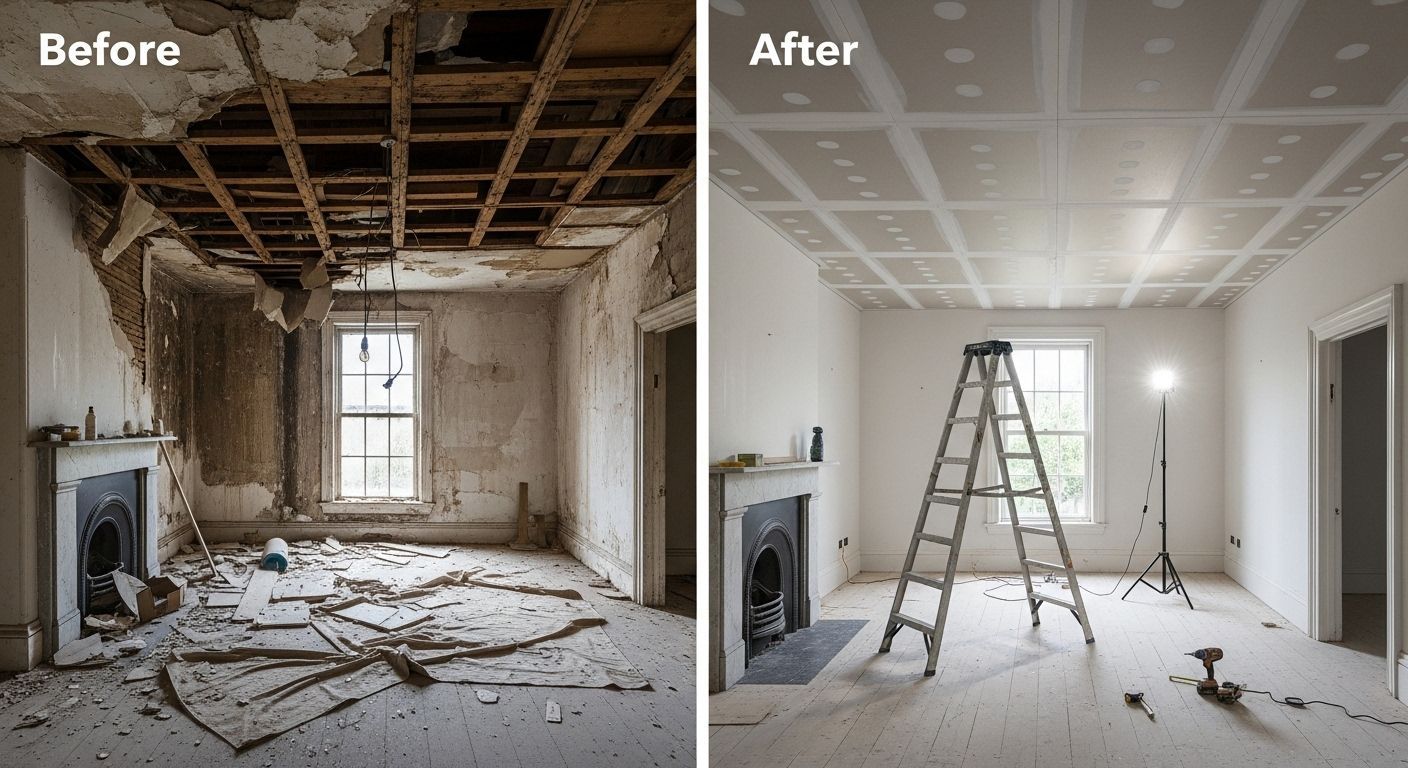
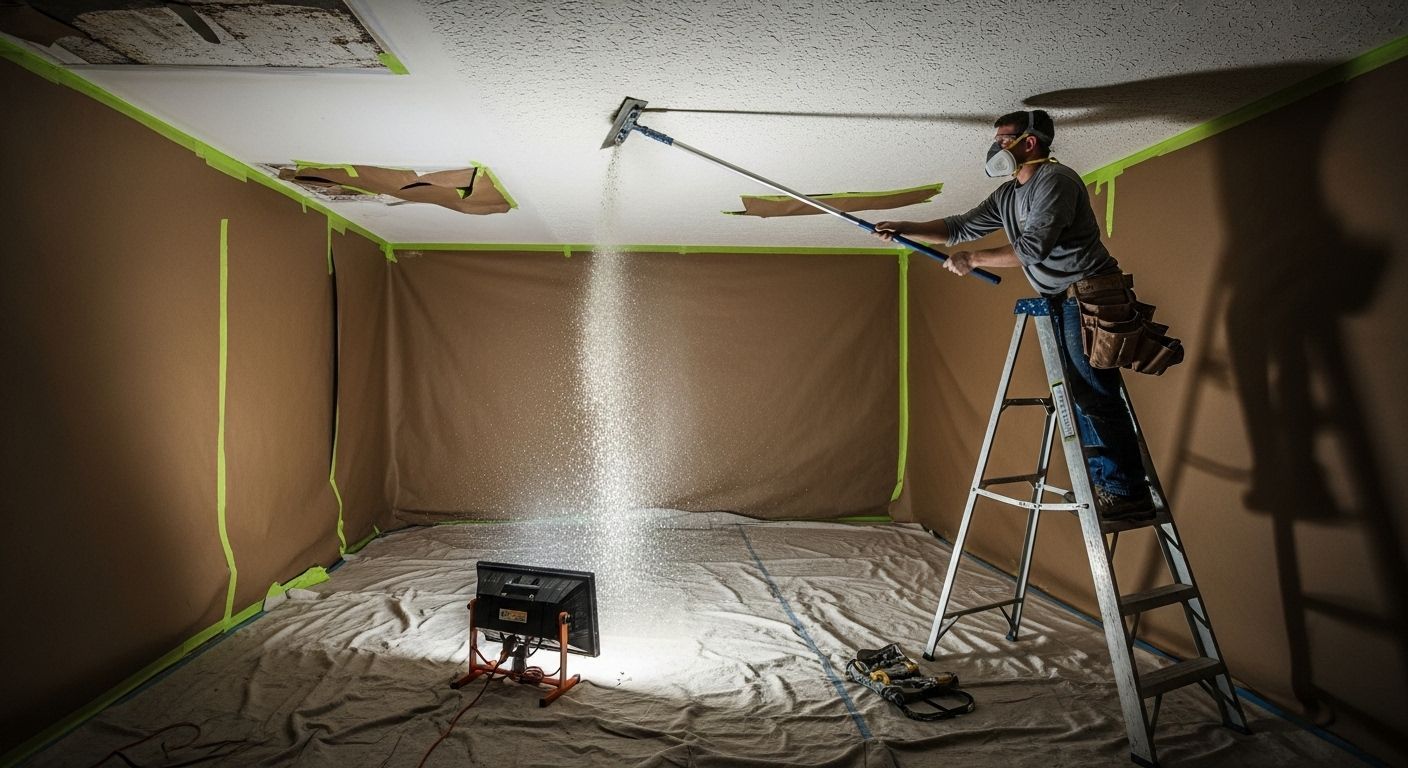
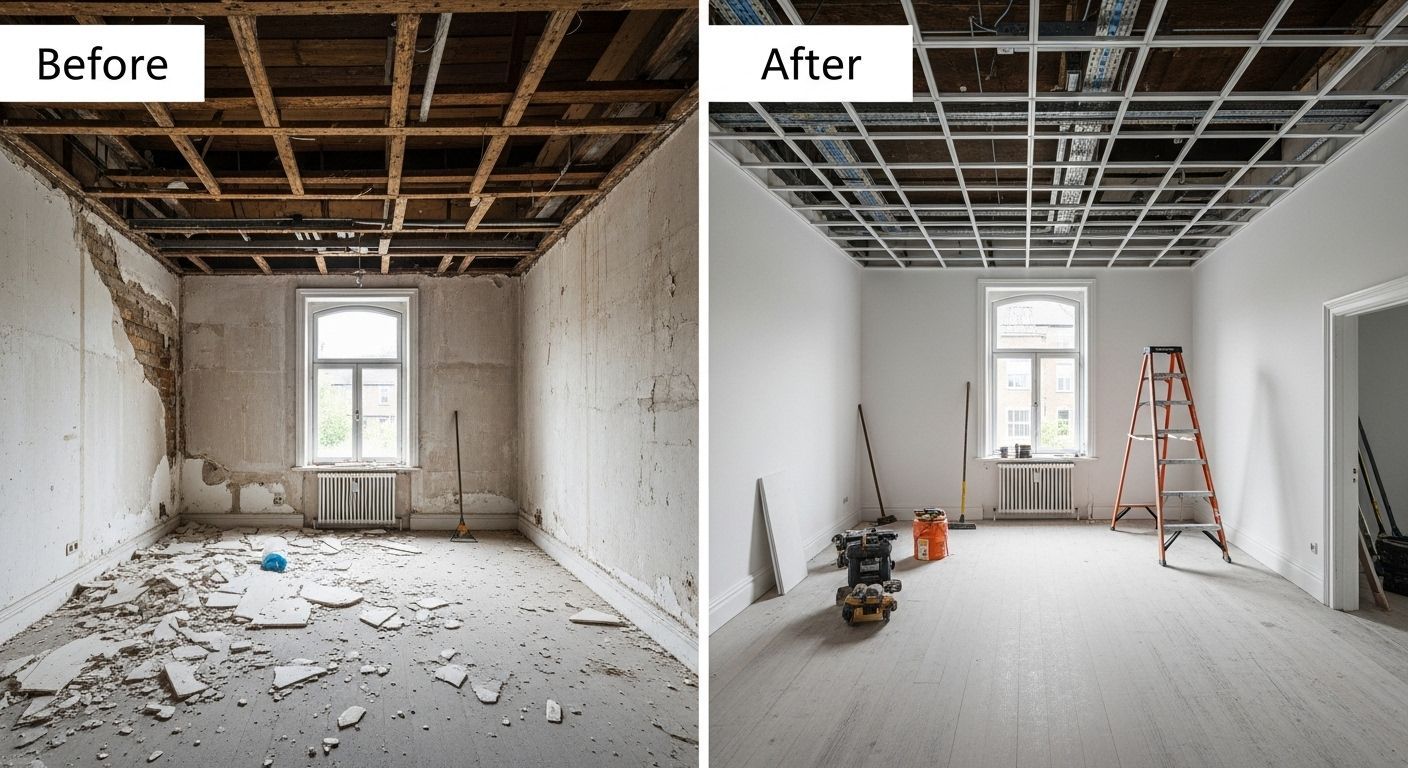
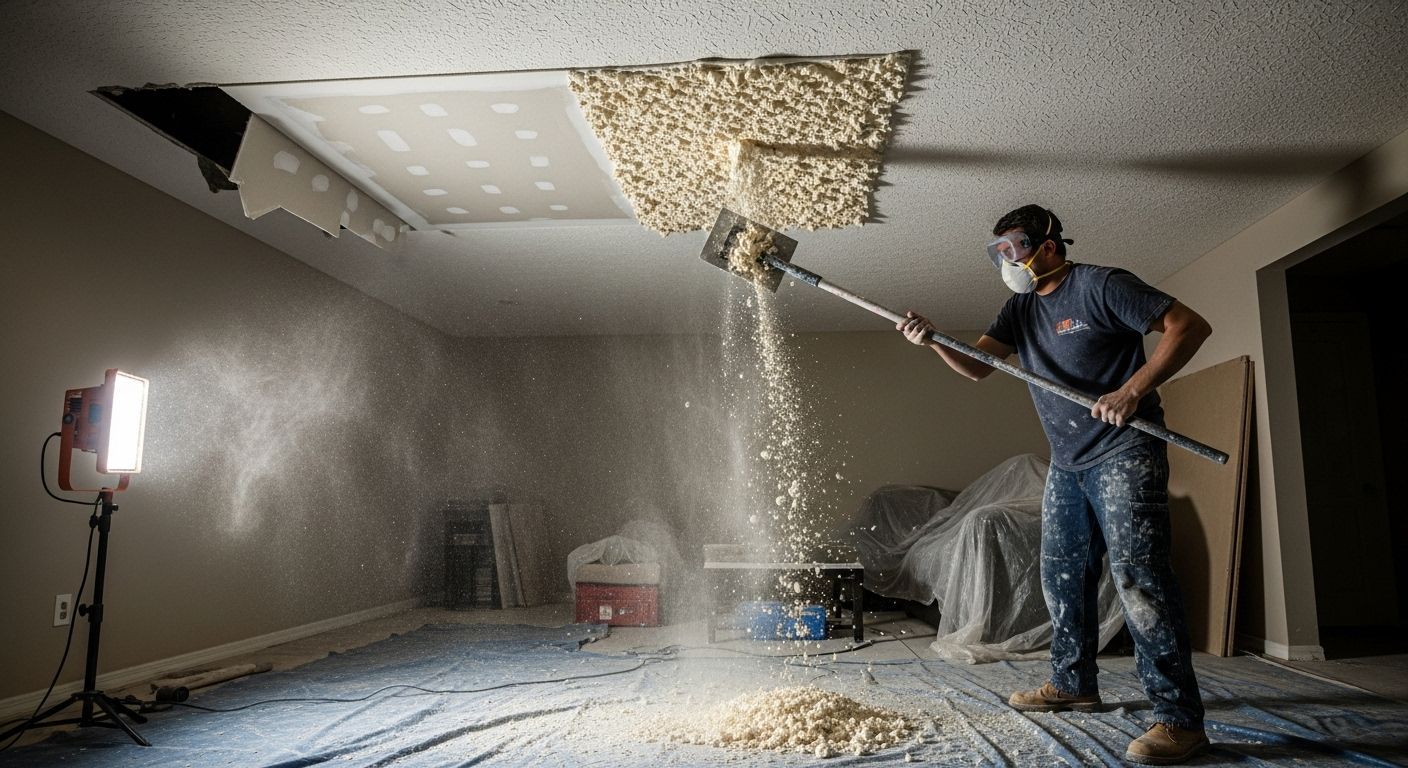
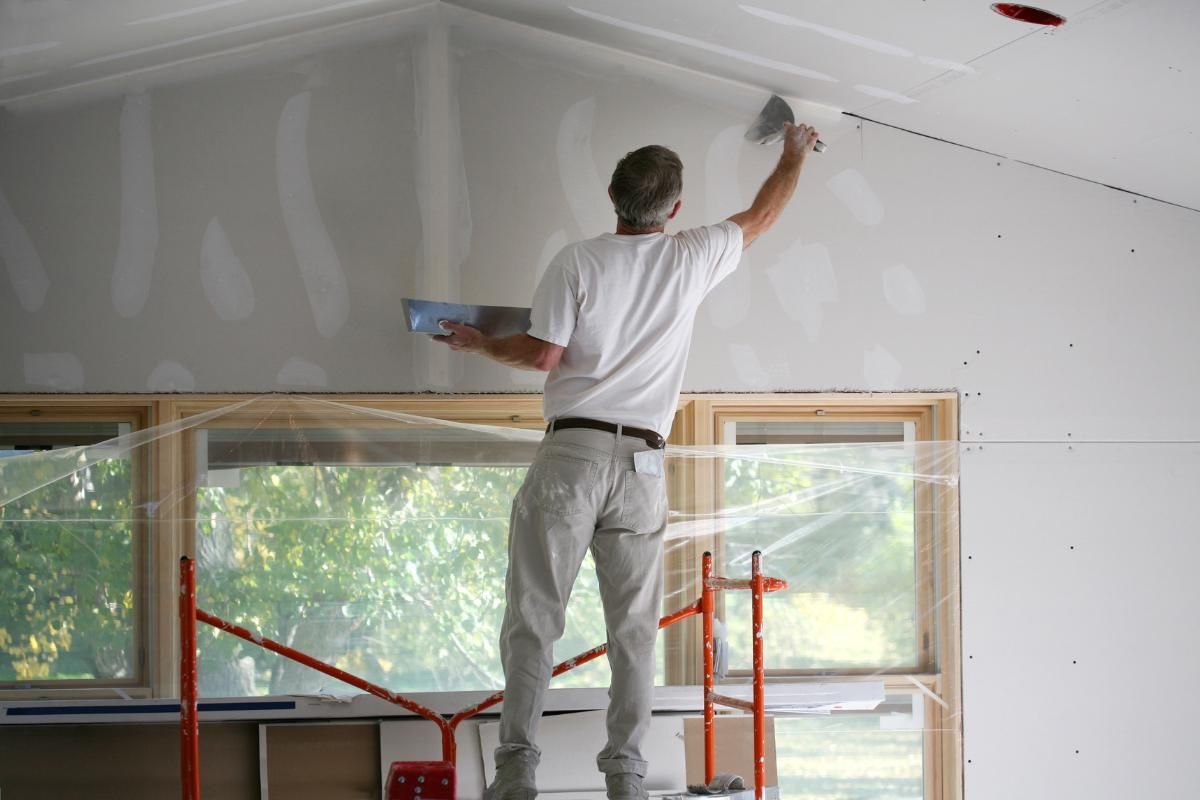
Three-eighths-inch drywall occupies a narrower niche than the other thicknesses. It sees use primarily in remodeling situations where you're matching the depth of older plaster walls, or patching sections of an existing wall where standard thicknesses would create a mismatched surface. It's also occasionally used on partition walls in low-traffic areas. For new construction, it rarely makes an appearance — most builders skip straight from 1/4-inch to 1/2-inch without ever touching 3/8.
1/2-inch: the workhorse of residential construction
Half-inch drywall is the default for the vast majority of interior walls in a home, and it earns that status. It's strong enough to handle standard residential use, light enough that one person can reasonably manage a sheet with some effort, and priced accessibly enough to use throughout a house without budget strain. Living rooms, bedrooms, hallways, dining rooms — anywhere with standard wall and ceiling framing at 16-inch stud spacing, half-inch drywall is the right call.
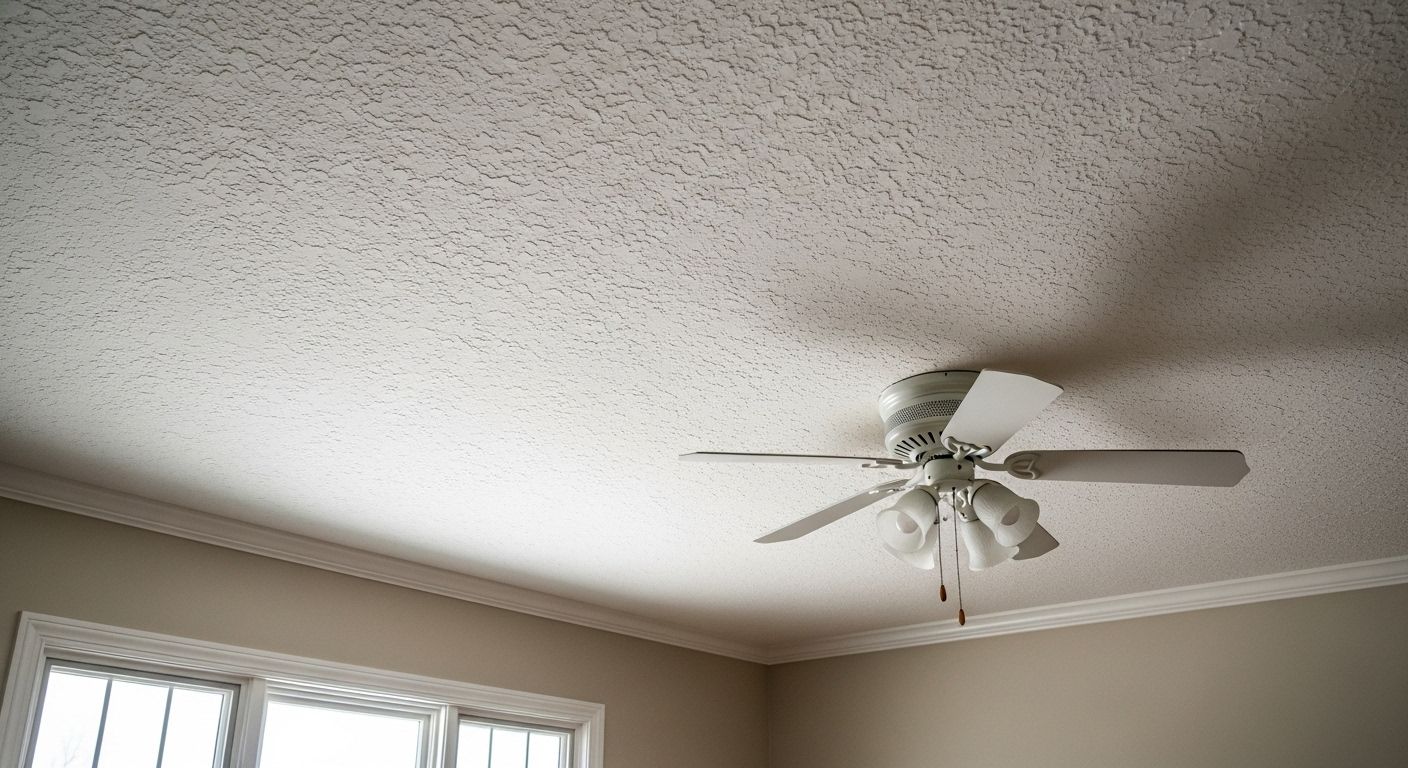
For ceilings, half-inch works when the ceiling joists are spaced at 16 inches on center. When joists are spaced at 24 inches on center — which is common in newer construction — half-inch drywall is prone to sagging over time, especially under the weight of insulation above or in rooms with higher humidity. In those cases, you want 5/8-inch. This is one of the most overlooked details when people are thinking through drywall thickness and which to use for each room.
5/8-inch: fire resistance, sound control, and ceiling strength
Five-eighths-inch drywall pulls more weight in the situations where it appears. The most important context is fire resistance. Type X drywall — the fire-rated version — comes in 5/8-inch thickness and is specifically required by code in certain locations: the walls and ceiling of an attached garage where it borders living space, between units in multi-family construction, and in some utility rooms. If your local building code calls for a one-hour fire rating on a wall assembly, 5/8-inch Type X is almost certainly part of that requirement.
Sound is the other major reason to upgrade to 5/8-inch. The added mass meaningfully reduces sound transmission between rooms — not enough to make a wall truly soundproof on its own, but noticeably more effective than half-inch when you're trying to dampen noise between a home theater and a bedroom, or between a home office and a living area. Bedrooms in multi-family buildings, media rooms, and primary suites that need acoustic separation all benefit from the thickness bump.
Ceilings get 5/8-inch in commercial construction almost universally, and in residential construction whenever joist spacing is wider, rooms are large and open, or fire ratings are involved.
Garages and utility spaces: don't skip the upgrade
The garage deserves its own mention. An attached garage shares walls and a ceiling with your living space and presents real fire risk. Most building codes require 5/8-inch Type X drywall — sometimes called firecode drywall — on the garage side of any wall or ceiling that borders habitable space. This isn't optional and it isn't negotiable with an inspector. Using half-inch here because it's cheaper or easier is a code violation that will get flagged.
The practical takeaway is straightforward: half-inch for most walls in living spaces, 5/8-inch for ceilings with wider joist spacing and anywhere fire or sound performance matters, and thin stock only for curves and patches. Start with those rules and you'll make the right call in most situations without overthinking it.