How to Tell the Difference Between a Drywall Crack and a Structural Problem

Most cracks in walls and ceilings are cosmetic. That's worth saying upfront, because a new crack has a way of triggering alarm that often isn't warranted. Houses move — they settle, expand, contract with seasons, and respond to changes in humidity and temperature — and drywall records that movement faithfully. The ability to distinguish a drywall crack from a structural crack isn't about advanced engineering knowledge. It's about knowing what to look for and being honest about what you're seeing.

Our Services →

Drywall Crack vs. Structural Crack: How to Tell the Difference

Start with the crack itself. Hairline cracks — thinner than a credit card edge — running horizontally or along drywall seams are almost universally cosmetic. They're the result of drywall tape losing adhesion, joint compound shrinking slightly over time, or seasonal wood framing movement transferring stress to the finish surface. These cracks are extremely common, appear in the vast majority of homes over time, and respond well to simple repair. Wider cracks — anything approaching 1/4 inch or more — deserve more attention, but width alone doesn't make something structural.


Direction and pattern are more informative than width in the drywall crack vs structural crack conversation. Cracks that run diagonally, particularly at 45-degree angles emanating from the corners of door frames or window openings, are one of the more meaningful patterns to notice. Those corners are stress concentration points in a wall, and diagonal cracking there can indicate that the structure above is deflecting or that foundation movement is transferring load in ways that the framing is responding to. A single diagonal crack at one door corner, appearing after an unusually dry summer that shrinks soil and causes minor settlement, is much less concerning than diagonal cracks appearing at multiple openings throughout the home simultaneously.

estimated_quoteArtboard 3

Get a Free Quote

Contact Us


Our Services


Satisfied Clients

quotes2Artboard 2

Stair-step cracking in brick or masonry — cracks that follow the mortar joints in a stair-step pattern — is a specific pattern that often does indicate foundation movement or differential settlement. This is one of the cleaner visual signals of something worth investigating, because brick doesn't crack that way from normal seasonal movement. It cracks that way when sections of the structure are moving relative to each other.


The context around the crack matters as much as the crack itself. A crack accompanied by a door or window that has recently started sticking, that has changed in width over the past few weeks, or that has a visible offset — where one side of the crack is higher than the other — is providing more information than a static crack in a stable wall. Active movement is the key distinction. A crack that appeared two years ago, hasn't changed, and isn't accompanied by any other symptoms is almost certainly something to patch and monitor rather than panic about. A crack that's visibly growing, especially over a short time period, is asking for professional attention.


Horizontal cracks in basement or foundation walls are in a different category from drywall cracks entirely and are worth treating with more urgency. Horizontal cracking in a concrete block or poured concrete foundation wall can indicate lateral soil pressure — the wall is being pushed inward by soil load — and that's a structural concern that a foundation specialist should evaluate. This isn't drywall behavior; it's foundation behavior, and the two shouldn't be conflated.


When people are trying to distinguish a drywall crack vs structural crack, the self-assessment process is essentially this: photograph the crack, mark its ends with a pencil and date it, and observe it over four to six weeks. Document whether it grows, whether new cracks appear nearby, and whether any doors or windows change their behavior during that period. A crack that's static over six weeks in an otherwise normally functioning house is almost certainly cosmetic. A crack that extends, widens, or is joined by new symptoms during that same window is telling you something active is happening.


The professional to call if you're genuinely concerned is a structural engineer, not a contractor. Contractors fix things; engineers diagnose them. A structural engineer will look at the crack in the context of the whole house, evaluate the foundation and framing if warranted, and give you an honest assessment of whether you're looking at a repair job or something more involved. That evaluation typically costs $300 to $600 and is money well spent if it either confirms there's nothing serious or catches something early when intervention is simpler and cheaper..

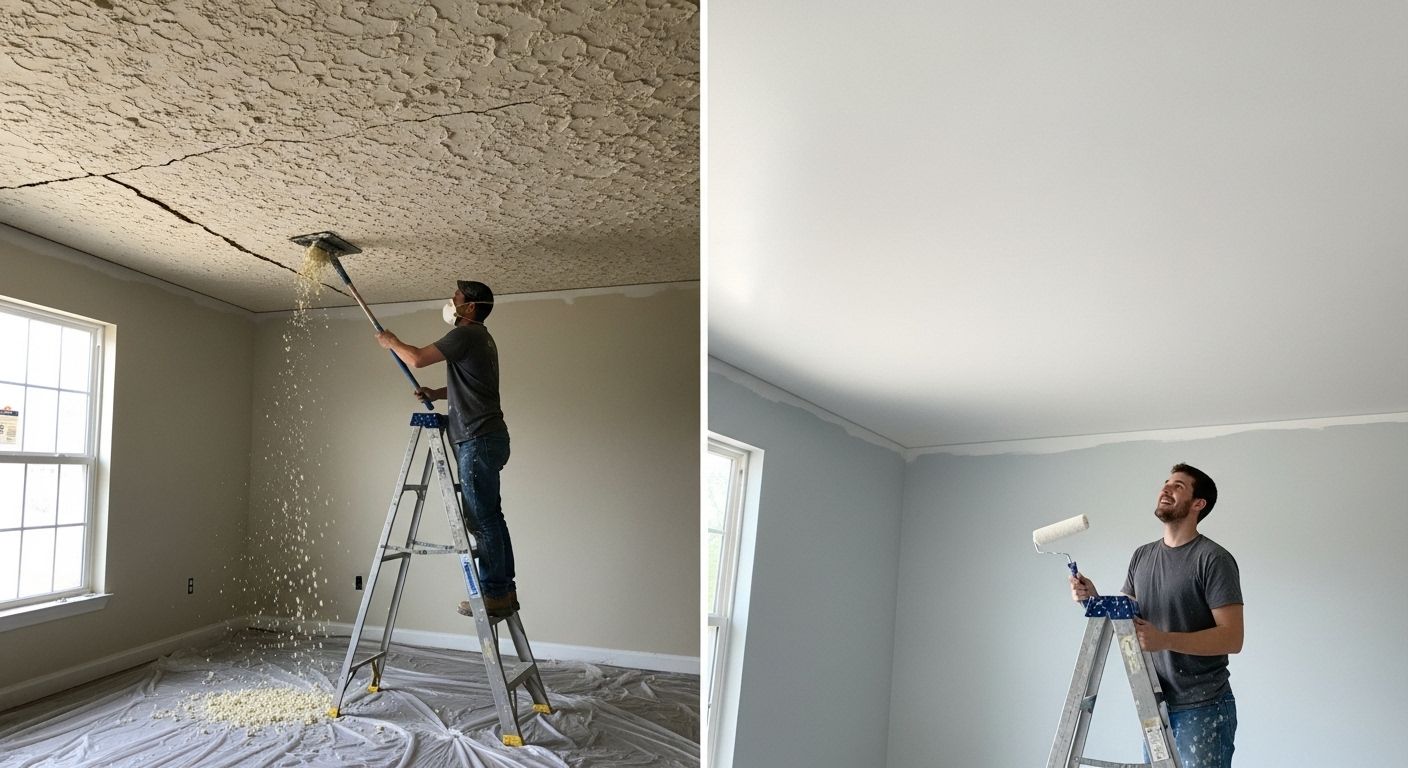
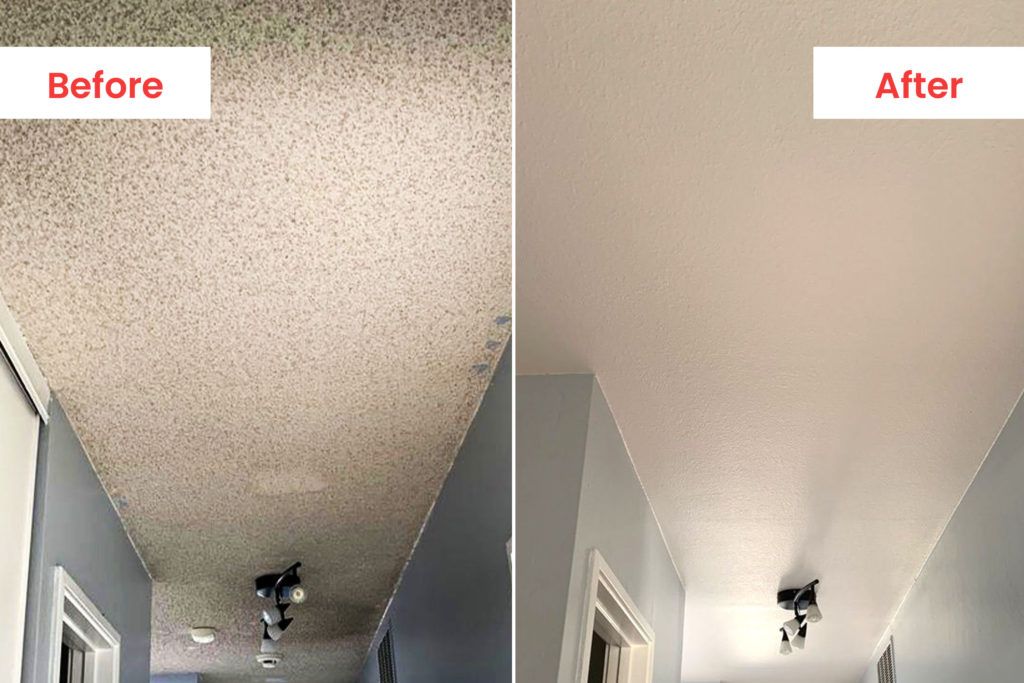
Popcorn Ceiling Removal Near Me? Pittsburgh Drywall Contractors Serves More Than Just Pittsburgh

The realistic outcome for most homeowners who go through this process is reassurance — the crack is cosmetic, the house is fine, patch it with setting compound and move on. But developing the habit of looking carefully rather than assuming in either direction is how you catch the occasional crack that actually does mean something before it becomes a much bigger problem.

Drywall Services Near Me? Contact Us

We encourage you to reach out for any inquiries or services related to our popcorn ceiling removal and drywall repair offerings.

Our team is ready to assist you with estimates, customer support, and location details.

Your Trusted Pittsburgh Drywall Professionals

When searching drywall professionals near me, you deserve craftsmanship, transparency, and reliability. With skilled installers, finishers, and repair experts, we proudly stand among the top drywall companies in Pittsburgh PA.

If you need a dependable Pittsburgh drywall contractor, expert ceiling repairs, popcorn ceiling removal, or complete drywall service, contact our team today. From small repairs to full interior renovations, we deliver professional results that make your walls and ceilings look flawless.