Plaster walls were the standard for centuries, and for good reason. The traditional method involves applying multiple coats of plaster over a base of thin wood strips called lath, building up a wall that's genuinely dense, hard, and thermally and acoustically superior to modern drywall. If you've ever noticed that an older home feels quieter between rooms, or that it holds temperature differently than a newer house, the plaster walls are a big part of why. They're also more fire-resistant than standard drywall and have a surface hardness that takes paint beautifully and holds fine detail in decorative work.
Drywall vs Plaster Walls: What Older Homes Still Have and What to Do About It
If you own an older home — anything built before the 1950s, and in many cases before the 1970s — there's a good chance your walls are plaster rather than drywall. Most homeowners don't think much about this until they're hanging something heavy, doing a renovation, or dealing with damage, and then the drywall vs plaster walls question in older homes suddenly becomes very relevant very quickly.
Drywall Crack vs. Structural Crack: How to Tell the Difference
Get a Free Quote
Contact Us
Our Services

Satisfied Clients


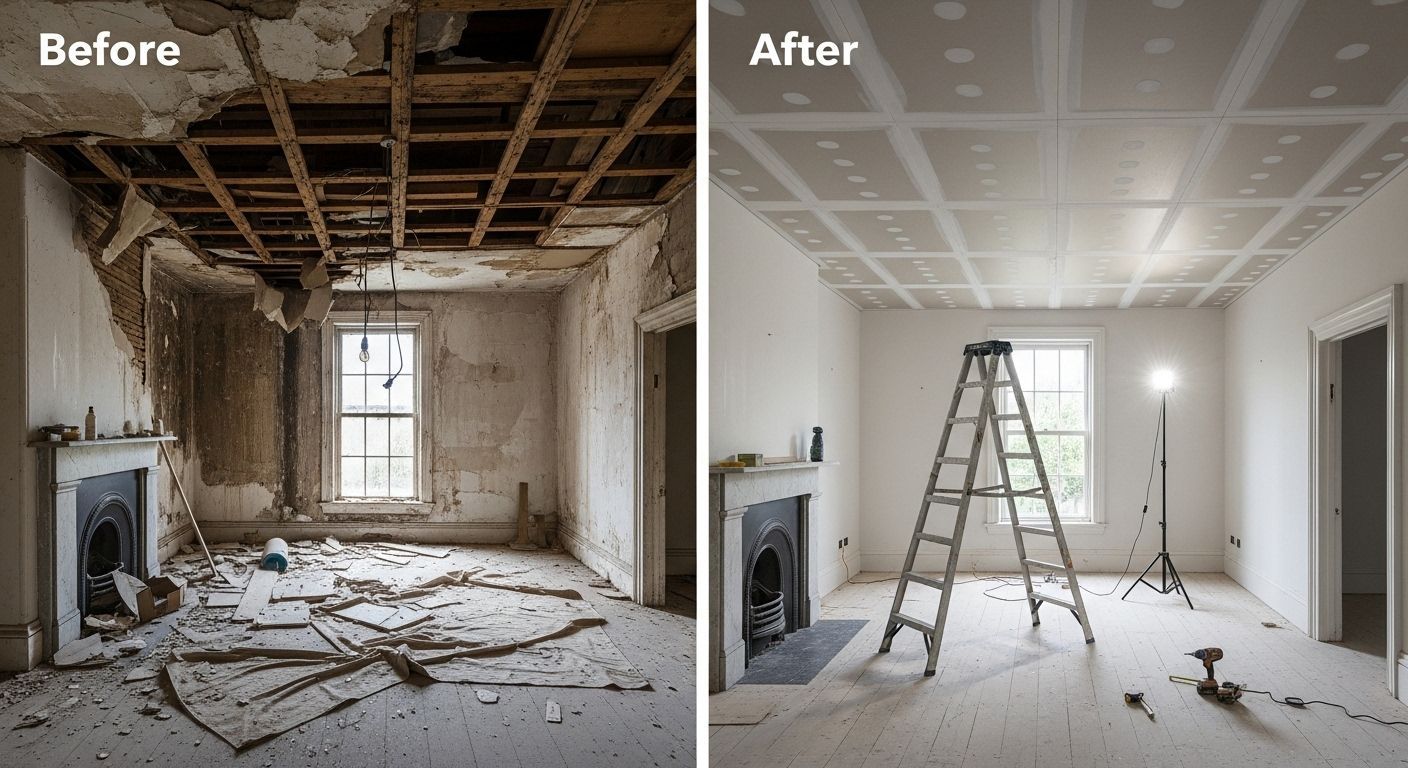
The downsides are real though. Plaster is brittle and cracks over time — as a house settles, as wood framing moves seasonally with humidity changes, the rigid plaster develops cracks that range from hairline surface fractures to more significant structural separations where the plaster pulls away from the lath behind it. That separation, called a key failure, is when plaster becomes a real problem. You'll notice it as a section of wall that sounds hollow when you tap it and eventually starts to bulge or sag. Fixing it properly requires either reattaching the plaster with specialty screws and washers or removing the damaged section and patching — neither is a quick job, and finding someone who knows how to do it well is harder than it used to be.
Drywall became the dominant wall material after World War II because it's faster and cheaper to install than plaster. It's essentially gypsum pressed between two sheets of paper, hung in large panels and finished with joint compound and tape. For new construction it makes complete sense — the speed of installation is a genuine advantage and modern drywall, done well, produces a perfectly good wall. The tradeoffs compared to plaster are real though: it's softer, dents and damages more easily, has noticeably less acoustic density, and doesn't have the same satisfying solidity when you knock on it. Anyone who's moved from an older plaster home into a newer drywall construction has felt that difference, even if they couldn't immediately name what changed.
The drywall vs plaster walls question becomes most practical when you're deciding what to do with damage in an older home. A lot of contractors will push toward replacing damaged plaster sections with drywall because it's faster and the materials are cheap and widely available. In some situations — a large area of failed plaster, a wall that's being opened up for electrical or plumbing work anyway — that's a perfectly reasonable approach. But wholesale replacement of sound plaster walls with drywall is worth thinking carefully about. You lose the acoustic and thermal properties of the original material, and the transition between old plaster and new drywall is tricky to finish invisibly. The repaired sections will often read slightly differently in how they take paint and how they reflect light, which can be frustrating in a room with otherwise beautiful original plaster.
If the plaster in your older home is largely sound — no hollow sections, cracks are hairline and stable rather than actively growing — it's worth preserving. Stabilizing minor cracks with flexible paintable caulk or plaster washers for any loose sections keeps the original material intact and avoids the visual inconsistency of patchwork. Where full sections need replacement, a skilled plasterer can match the original material and texture in a way that drywall simply can't. They're harder to find and more expensive than a drywall crew, but the result in a home with quality original plaster is worth it.
One practical thing that trips people up in the drywall vs plaster walls conversation in older homes is hanging things. Plaster doesn't behave like drywall when you're drilling into it — it's harder, more brittle, and more likely to crack if you're not using the right technique. Plastic expansion anchors that work fine in drywall can cause the plaster to crack and crumble. Use a sharp masonry or tile bit at low speed to get through the hard surface layer, and opt for toggle bolts or metal anchors for anything with real weight. It takes a little more care, but the wall can hold more than drywall once you're anchored properly into the lath or a stud behind it.
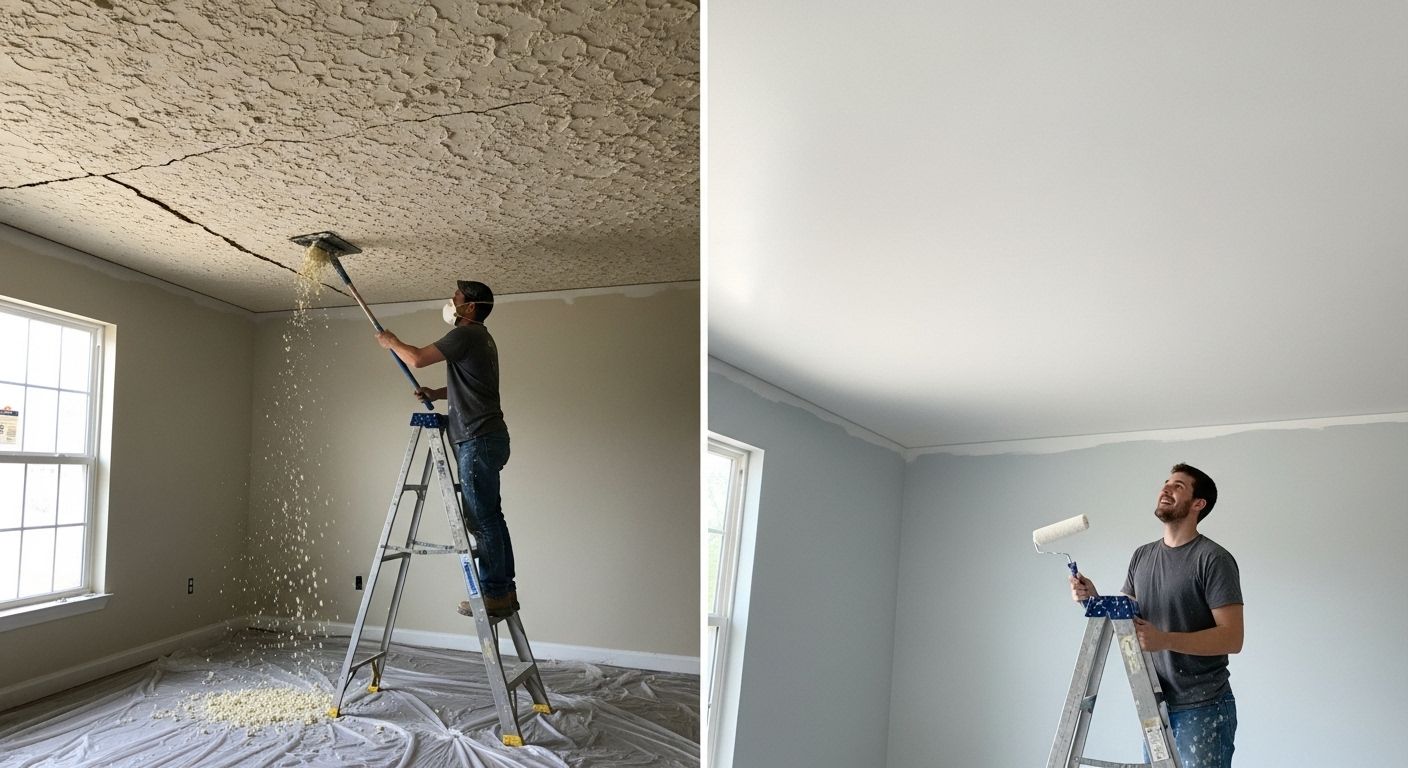
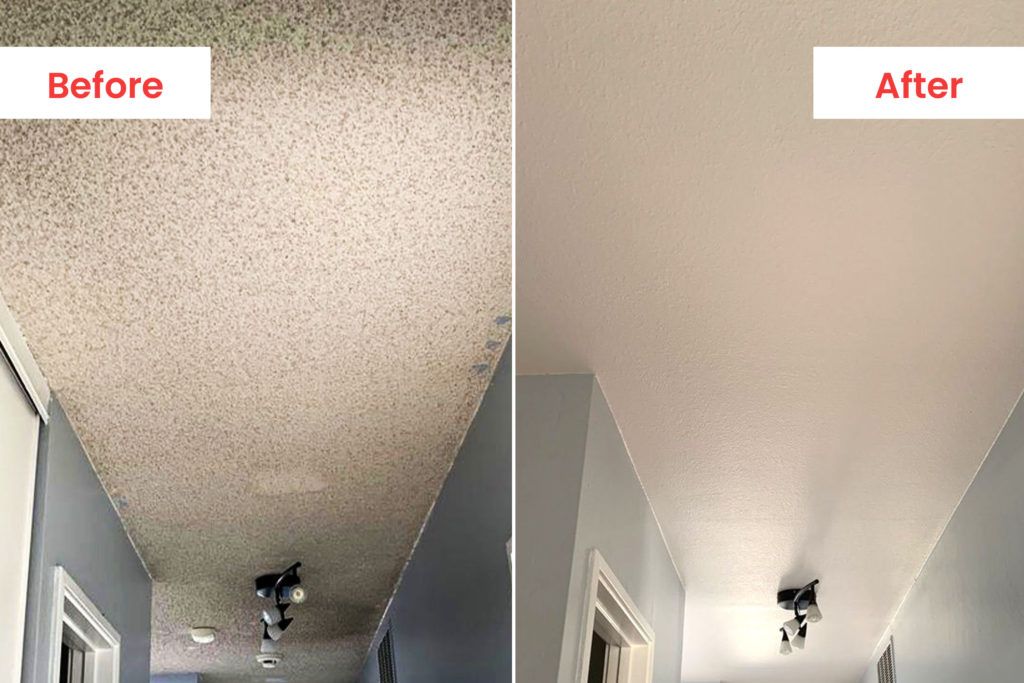
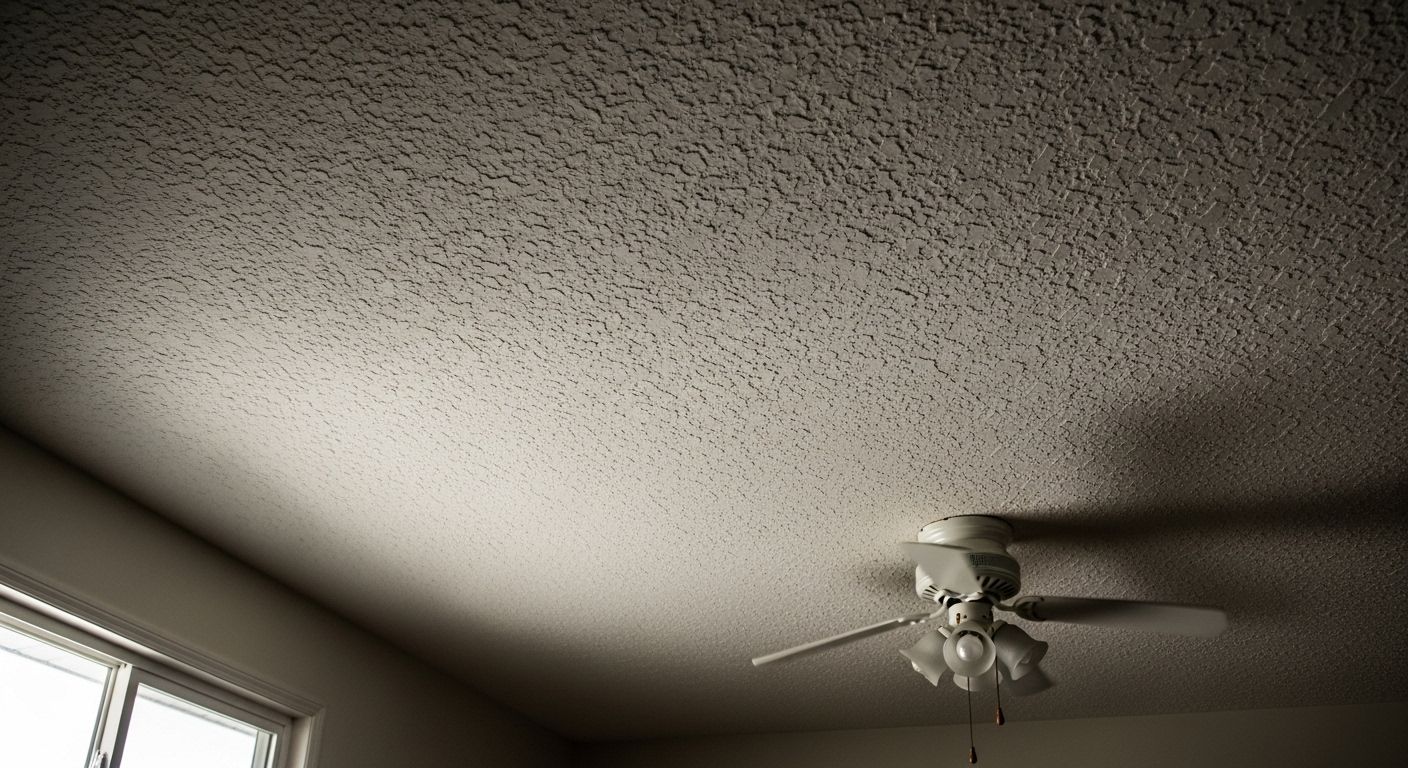
Popcorn Ceiling Removal Near Me? Pittsburgh Drywall Contractors Serves More Than Just Pittsburgh
Your Trusted Pittsburgh Drywall Professionals
When searching drywall professionals near me, you deserve craftsmanship, transparency, and reliability. With skilled installers, finishers, and repair experts, we proudly stand among the top drywall companies in Pittsburgh PA.
If you need a dependable Pittsburgh drywall contractor, expert ceiling repairs, popcorn ceiling removal, or complete drywall service, contact our team today. From small repairs to full interior renovations, we deliver professional results that make your walls and ceilings look flawless.